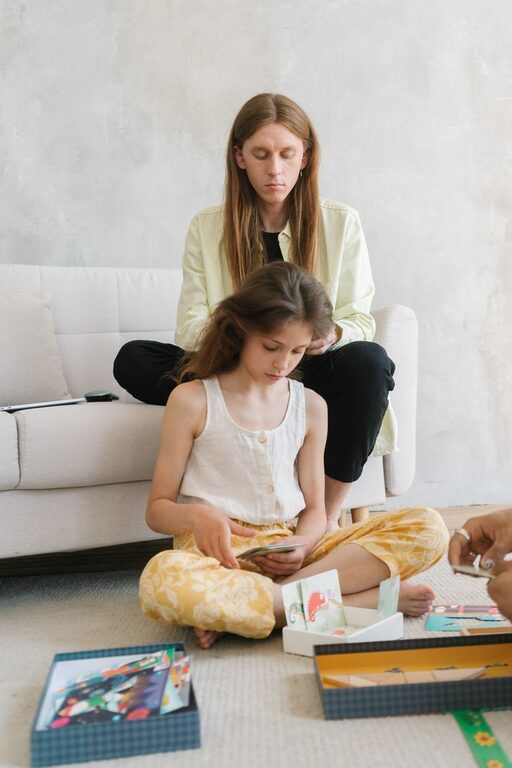
Family game night is a simple way to spend quality time together without leaving home. You do not need a large collection of games, complicated rules, or a perfectly planned schedule. With a few easy activities and a relaxed attitude, you can create an evening that everyone will enjoy.
Whether your family prefers board games, card games, puzzles, or silly challenges, these ideas can help you plan a fun night for all ages.
1. Choose a Simple Theme
A theme can make an ordinary game night feel like a special event. Keep it easy so that planning stays fun rather than stressful.
Try one of these themes:
– Game show night: Create teams, ask trivia questions, and give points for correct answers.
– Around the world: Play games from different countries and serve snacks inspired by each one.
– Pajama night: Let everyone wear pajamas and set up blankets and pillows in the living room.
– Retro night: Play classic games and listen to music from an older decade.
– Color night: Choose a color and use it for decorations, snacks, and team names.
A theme does not need to affect every part of the evening. Even a small detail, such as themed snacks or funny team names, can add excitement.
2. Mix Different Types of Games
A successful family game night usually includes more than one kind of activity. Mixing games keeps the evening interesting and gives everyone a chance to participate.
Consider including:
– A quick warm-up game
– A board game or card game
– A creative activity
– A team challenge
– A quiet game to finish the night
Short games are especially helpful when younger children are playing. They allow everyone to take breaks and make it easier to start a new activity if interest begins to fade.
3. Play Classic Board Games
Classic board games are popular for a reason: they are easy to find, familiar to many people, and often simple to explain. Choose a game that matches the ages and attention spans of the players.
You might try:
– Checkers
– Chess
– Scrabble
– Clue
– Sorry
– Connect Four
– Candy Land
– Monopoly
– Battleship
If a game takes a long time, agree on a stopping point before you begin. For example, you might play for 45 minutes or finish after a set number of rounds. This keeps the activity enjoyable and prevents it from feeling too long.
4. Start With Quick Card Games
Card games are flexible and usually require very little setup. A standard deck of cards can provide hours of entertainment.
Easy options include:
– Go Fish
– Crazy Eights
– Old Maid
– War
– Uno
– Rummy
– Hearts
For younger children, choose games with simple matching or counting rules. Older children and adults may enjoy games that involve strategy, memory, or planning.
You can also create a family card tournament. Give each player points for every round, then celebrate the person with the highest score at the end.
5. Organize a Family Trivia Contest
Trivia is a great choice when family members have different interests. You can create questions about animals, movies, music, sports, food, nature, or family memories.
Divide players into teams or let everyone answer individually. Use paper, small whiteboards, or a shared notebook to record answers.
To make the contest more personal, include questions such as:
– Who is most likely to wake up early?
– What is Grandma’s favorite dessert?
– Which family member has visited the most states?
– What was the name of the family’s first pet?
– Who can name the most favorite family vacation spots?
Keep the questions light and positive. The goal is to have fun, not to test anyone too seriously.
6. Add a Charades Challenge
Charades gets everyone moving and often creates plenty of laughter. Write simple actions, objects, animals, or movie titles on small pieces of paper. Players take turns choosing a slip and acting it out without speaking.
For younger players, use easy ideas such as:
– Brushing your teeth
– Riding a bicycle
– Walking like a penguin
– Baking a cake
– Playing an instrument
For older players, add more difficult phrases or allow players to act out familiar books and films. You can play in teams or simply take turns until everyone has had a chance to perform.
7. Try a Drawing or Building Game
Creative games are a good option for family members who do not enjoy competition. Give everyone the same prompt and see how differently each person responds.
Drawing prompts might include:
– Design a dream house
– Draw a silly animal
– Create a new superhero
– Illustrate an imaginary planet
– Invent a family mascot
You can also use building blocks, recycled boxes, or craft supplies. Set a timer and challenge players to build a bridge, tower, vehicle, or tiny town. At the end, let everyone explain their creation.
Focus on creativity instead of artistic skill. There are no wrong answers in these activities.
8. Plan a Puzzle Race
Puzzles can be enjoyed as a group or as a friendly competition. Give each person or team a small puzzle with a similar number of pieces. The first team to finish wins, or everyone can work together on one larger puzzle.
You can also create a homemade puzzle by drawing a picture on paper, gluing it to cardboard, and cutting it into large pieces. This is an easy way to include younger children in the activity.
For a different challenge, hide puzzle pieces around the room and turn the activity into a gentle scavenger hunt.
9. Create a Minute to Win It Game List
Short, silly challenges are ideal for keeping the energy high. Use household items and give players one minute to complete each task.
Ideas include:
– Stack plastic cups
– Move cotton balls with a spoon
– Toss socks into a basket
– Build the tallest tower of blocks
– Transfer small objects from one bowl to another
– Keep a balloon in the air
– Balance a book on your head
Make sure the challenges are safe and suitable for the ages of the players. Award points for completion, creativity, or simply making everyone laugh.
10. Include Snacks and a Special Drink
Food can make game night feel more festive. Choose snacks that are easy to eat between turns and do not create a lot of mess.
Good choices include:
– Popcorn
– Fruit slices
– Pretzels
– Cheese and crackers
– Vegetable sticks
– Mini sandwiches
– Cookies
– Homemade trail mix
Set up a snack station before the games begin so people can help themselves. You can also create a special family drink, such as lemonade, hot chocolate, or fruit punch. Use fun cups or add colorful fruit to make it feel like a celebration.
11. Make Everyone Feel Included
Family members may have different ages, skills, and preferences. Choose games that allow everyone to contribute in some way.
Helpful ideas include:
– Pair younger children with older players.
– Let children help explain or demonstrate the rules.
– Use teams instead of individual competition.
– Offer a choice between two activities.
– Keep some games cooperative, with everyone working toward one goal.
– Avoid eliminating players for long periods.
Most importantly, remember that connection matters more than winning. Encourage good sportsmanship and celebrate funny moments, creative ideas, and helpful teamwork.
12. End With a Family Favorite
Finish the evening with an activity that everyone already enjoys. This could be a favorite card game, a short movie, a group puzzle, or a round of storytelling.
You might also ask each person to name:
– Their favorite game of the night
– The funniest moment
– One activity they would like to try next time
These simple questions help create a sense of tradition and make it easier to plan the next family game night.
Keep It Simple and Enjoy the Time Together
The best family game nights are not necessarily the most elaborate. A deck of cards, a few snacks, and an hour without distractions may be all you need. Choose activities that fit your family, stay flexible, and allow plenty of room for laughter.
By creating a regular game night tradition, you can give everyone something enjoyable to look forward to and make lasting memories at home.
About the Author