Food waste often happens in small ways: buying more than you need, forgetting what is in the refrigerator, or throwing away leftovers before they can be used. The good news is that a few simple habits can make a noticeable difference at home.
Reducing food waste does not require perfect planning or complicated recipes. Start with one or two changes, then build on them as they become part of your routine.
Plan Before You Shop
A little planning can help you buy the right amount of food and avoid unnecessary purchases.
Check What You Already Have
Before making a grocery list, look through your refrigerator, freezer, and pantry. Take note of ingredients that need to be used soon. This can prevent you from buying duplicate items.
Consider organizing food so that older items are easy to see. Place newer products behind older ones, and keep foods with shorter shelf lives near the front.
Plan a Few Meals
You do not need to plan every meal for the entire week. Choose a few dinners, lunches, or breakfasts and list the ingredients needed for each one.
Try to plan meals that use some of the same ingredients. For example, a bunch of herbs can be used in a soup, a salad, and a sandwich. Cooked vegetables can work in grain bowls, omelets, or pasta dishes.
Leave room for flexible meals that use whatever is left at the end of the week. This could be a soup, stir-fry, casserole, or mixed salad.
Shop With a List
A shopping list helps you stay focused and reduces impulse purchases. Before leaving home, check your list against what you already have.
When estimating amounts, think about how many people you are feeding and how often you plan to cook. If a recipe calls for only part of an ingredient, look for another meal that will use the rest.
Store Food Properly
Good storage can extend the life of food and help you notice what needs to be used first.
Use Clear Containers
Store leftovers and opened foods in clear, labeled containers. When you can see what is available, you are more likely to use it.
Add the date when storing cooked food or opening a package. This simple step makes it easier to keep track of older items.
Organize Your Refrigerator
Keep foods that need to be eaten soon in a designated area. You might use a small shelf or container labeled “eat first.”
Avoid overcrowding the refrigerator. Air needs to circulate, and an organized refrigerator makes it easier to find ingredients before they are forgotten.
Learn Which Foods Need Refrigeration
Some foods stay fresh longer outside the refrigerator, while others benefit from cold storage. Check the package instructions and follow reliable food storage guidance.
Keep fruits and vegetables that release natural ripening gases away from produce that is sensitive to them. Separating certain items can help slow spoilage.
Freeze Food Before It Spoils
Freezing is an easy way to save food you will not use soon. Bread, cooked grains, chopped vegetables, fruit, sauces, and many leftovers can be frozen in suitable containers.
Freeze food in meal-sized portions so you can thaw only what you need. Label each container with its contents and date.
Understand Food Dates
Food date labels can be confusing. Some dates relate to quality rather than safety, and products may still be usable after the printed date if they have been stored correctly and remain in good condition.
Read the wording on the label and use your senses where appropriate. If food has an unusual smell, appearance, texture, or signs of spoilage, discard it. When in doubt, follow the product instructions or contact the manufacturer.
Organizing your pantry and refrigerator by date can help you use older products first. This practice is sometimes called “first in, first out.”
Use More of the Food You Buy
Many parts of common foods can be used in creative ways instead of being discarded.
Use Vegetable Scraps
Vegetable stems, tops, and peels may be useful in cooking. Broccoli stems can be sliced into salads or stir-fries. Carrot tops can be added to sauces or blended into a spread. Herb stems can flavor soups, stocks, and sauces.
Wash produce well and use only parts that are suitable for eating. If scraps are too tough or bitter, they may be better suited for composting.
Make Use of Soft or Overripe Produce
Soft fruit can be blended into smoothies, cooked into sauces, or added to baked goods. Overripe bananas are useful in muffins or quick bread.
Vegetables that are no longer ideal for a fresh salad may still work well in soups, sauces, stews, or roasted dishes. Remove any damaged areas and use your best judgment.
Refresh Stale Foods
Stale bread can become toast, breadcrumbs, croutons, or a topping for baked dishes. Dry cereal can be used in snack mixes or as a crunchy topping.
Leftover cooked rice, pasta, or grains can be added to soups, salads, fried dishes, or stuffed vegetables. Combining small amounts of leftovers is often an easy way to create a new meal.
Cook the Right Amount
Cooking too much food is a common source of waste. When preparing a meal, consider portion sizes and how many people will be eating.
If you are unsure, cook a smaller amount and prepare more later if needed. Use measuring cups or a kitchen scale when helpful, especially for ingredients such as pasta, rice, and grains.
Serve smaller portions first and allow people to take seconds. This can reduce uneaten food on plates while still allowing everyone to enjoy the meal.
Create a Leftover Routine
Make leftovers part of your weekly plan instead of treating them as an afterthought.
Schedule a Leftover Meal
Choose one day each week to eat leftovers. Store them in a way that makes them easy to see and reheat. You can also combine several small portions into a meal with a side dish, salad, or piece of fruit.
Change the Presentation
Eating the same dish several times can become repetitive. Transform leftovers into something different by adding a new sauce, seasoning, topping, or side.
For example, roasted vegetables can become a filling for tacos, an addition to pasta, or a topping for toast. Cooked chicken or beans can be used in wraps, soups, salads, or grain bowls.
Pack Leftovers for Lunch
If you have extra portions, pack them for the next day. Store lunch portions as soon as the meal has cooled appropriately, and keep them easy to grab from the refrigerator.
Share or Donate Extra Food
If you have unopened, suitable food that you will not use, consider sharing it with friends, neighbors, or a local community food program. Check local guidelines before donating, as organizations may have specific rules about accepted items.
Sharing extra garden produce can also help ensure that food is enjoyed rather than left unused.
Compost What You Cannot Use
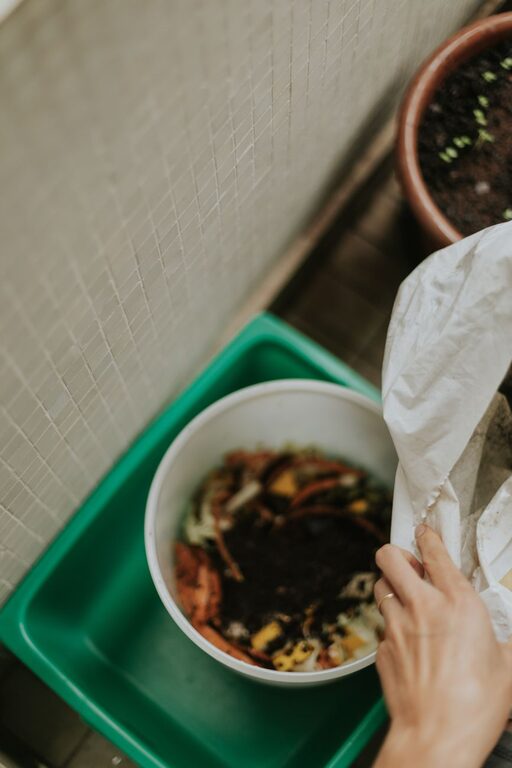
Some food scraps cannot be saved or cooked, but they may still be useful as compost. Fruit and vegetable scraps, coffee grounds, and some other organic materials can often be composted.
Check your local composting options. Your community may offer collection services, drop-off locations, or guidance for starting a home compost system.
Make Waste Reduction a Habit
The most effective approach is to focus on practical habits you can maintain. Start by checking your food supplies before shopping, storing food clearly, and planning one leftover meal each week.
Over time, notice which foods you regularly waste and adjust your buying habits. You may discover that smaller packages, fewer impulse purchases, or more freezer storage work better for your household.
Reducing food waste is not about using every ingredient perfectly. It is about making thoughtful choices that help more of the food you buy get eaten, enjoyed, and appreciated.
About the Author