Make Your Workspace Feel Like Your Own
A personalized workspace can make everyday tasks feel more comfortable and enjoyable. Whether you work from home, study, or use a desk for creative projects, small changes can help the space reflect your preferences and support the way you work.
Personalization does not require expensive furniture or a complete room makeover. Start with a few practical updates that improve comfort, organization, and visual appeal. Over time, you can adjust the space as your needs change.
Start With a Clean Foundation
Before adding decorations or accessories, clear your workspace. Remove items you no longer use and place essential tools where they are easy to reach.
A clean foundation makes it easier to see what your workspace needs. It can also prevent new items from creating unnecessary clutter.
Try these simple steps:
– Remove old papers, empty containers, and unused supplies.
– Group similar items together.
– Keep frequently used tools within easy reach.
– Move rarely used items into a drawer, cabinet, or storage box.
– Wipe down the desk, keyboard, monitor, and other surfaces.
Once the area is clear, decide what you want the space to help you do. A writing desk may need open space, while an art station may benefit from visible supplies and extra storage.
Choose a Simple Color Scheme
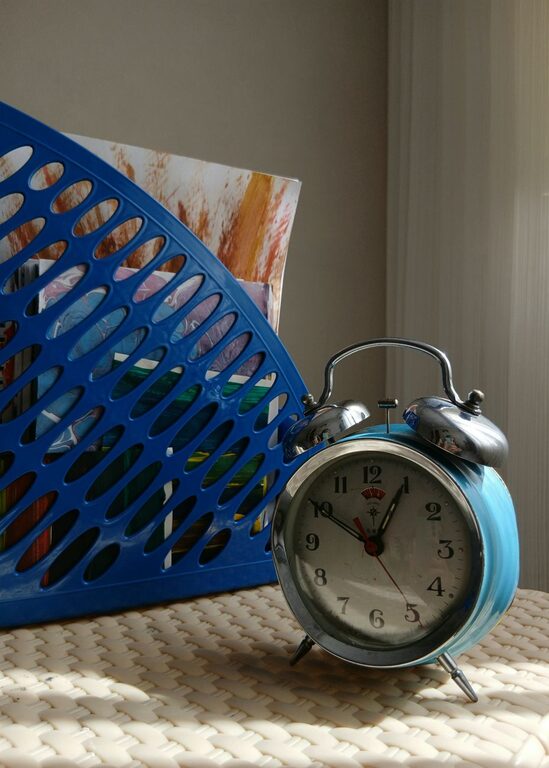
Color is one of the easiest ways to personalize a workspace. You do not need to repaint the room. Instead, choose two or three colors for small items such as notebooks, folders, desk accessories, or artwork.
A calm color scheme can give the workspace a coordinated look. Soft neutrals may create a simple background, while brighter colors can add energy and personality.
Consider these approaches:
– Use one favorite color as an accent.
– Combine neutral tones with a brighter shade.
– Match accessories to existing furniture.
– Choose colors that help the room feel warm, fresh, or focused.
– Use removable items if you share the space or rent your home.
A consistent color palette helps different items look connected, even when they come from different places.
Add Meaningful Personal Items
Personal items can make a workspace feel welcoming. Choose objects that are useful, encouraging, or connected to your interests.
You might include:
– A framed photo
– A favorite print or illustration
– A small collection of books
– A handmade object
– A travel souvenir
– A favorite mug
– A calendar with an attractive design
– A small board for notes or reminders
Try to select a few meaningful items instead of displaying everything at once. Too many decorations can make the desk feel crowded and may distract from your work.
A useful approach is to create one clearly defined display area. This could be a shelf, a corner of the desk, or a section of the wall. Keeping personal items together gives the space character while leaving the main work surface open.
Bring in a Plant or Natural Detail
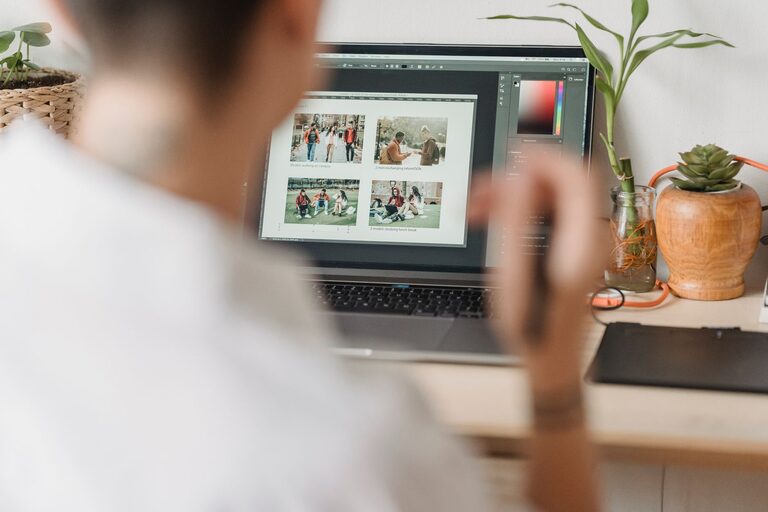
Plants can add color and texture to a workspace. If you have access to natural light, consider a low-maintenance plant that fits the available space.
Small plants work well on shelves or desk corners. Larger plants can fill an empty area beside the desk. If caring for a live plant is not practical, try a dried arrangement, a small vase, or a nature-inspired print.
When choosing a plant, think about:
– The amount of light in the space
– How much room the plant will need
– How often it requires care
– Whether the container fits your color scheme
– How easy it is to keep the area clean
Natural details can make a workspace feel less formal without taking up much room.
Improve Your Lighting
Lighting has a major effect on how a workspace feels. If possible, place your desk near a window while avoiding glare on your screen. Natural light can make the room feel brighter and more open.
Add a desk lamp for days when the room needs extra light. A lamp can also become a design feature. Look for a shape, material, or color that matches your style.
Think about these lighting options:
– A small adjustable desk lamp
– A floor lamp for general room lighting
– A wall light for a compact workspace
– A warm decorative light for the evening
– A simple shade that softens bright light
Keep cords organized so your lighting setup remains neat. Cable clips, sleeves, and small ties can help keep wires from spreading across the desk.
Personalize Your Desk Layout
The way items are arranged can make the workspace feel more natural to use. Place the tools you use most often in the easiest locations.
For example, keep a notebook and pen near your dominant hand. Place reference books on a nearby shelf, and store backup supplies in a drawer. If you use a monitor, leave enough space for writing or other activities.
You can also create separate zones:
Work Zone
This is the main area for your computer, notebook, or current project. Keep it as open as possible.
Supply Zone
Place pens, chargers, sticky notes, and other small tools in a container or organizer.
Personal Zone
Use a corner, shelf, or nearby wall for photos, artwork, plants, or other decorative items.
Zones make it easier to return items to their proper places. They also allow you to personalize the workspace without mixing every item together.
Use Storage That Matches Your Style
Storage does not have to be plain or hidden. Baskets, boxes, trays, and file holders can add personality while keeping supplies organized.
Choose storage based on the items you need to keep nearby. A shallow tray can hold everyday tools, while a box can store items that are used less often. Wall-mounted shelves are helpful when desk space is limited.
For a coordinated look, consider using storage made from similar materials, such as:
– Wood
– Metal
– Fabric
– Woven materials
– Clear acrylic
– Recycled paper
Labeling boxes and folders can make them easier to use. Simple labels also help maintain order after the initial cleanup.
Display Inspiration Without Creating Clutter
A workspace can include reminders of your goals, interests, or creative projects. A small inspiration board can hold images, color samples, notes, or quotes that you enjoy.
Keep the display selective and update it occasionally. Removing old items helps the board stay useful rather than becoming another crowded surface.
If you prefer a cleaner look, display one large piece of artwork instead of several small items. You can also change a print or photograph seasonally to give the workspace a fresh appearance.
Make Comfort Part of Your Personal Style
Personalization should include comfort, not just decoration. Adjust the height and position of your chair, desk, monitor, and keyboard so the setup feels natural for your daily activities.
Useful comfort-focused additions may include:
– A supportive chair cushion
– A footrest
– A soft desk mat
– A monitor stand
– A wrist rest
– A small blanket for cooler days
Choose items that fit the workspace visually. A comfortable setup is more likely to remain useful and inviting over time.
Refresh the Space Regularly
Your workspace does not need to stay exactly the same. A small refresh every few weeks can keep the area practical and enjoyable.
You might rotate artwork, change a desk accessory, reorganize supplies, or remove items that no longer serve a purpose. These small updates can make the workspace feel new without requiring a major expense.
The best workspace reflects how you live and work. Start with a clear surface, add a few meaningful details, and choose practical items that make the space easier to use. With thoughtful adjustments, even a small desk can become a comfortable and personal part of your day.
About the Author