Plants are one of the easiest ways to refresh your home. They add color, texture, and natural character without requiring a major renovation. Whether you live in a large house, a small apartment, or a home with limited natural light, the right plants and displays can make your space feel more welcoming.
A successful plant refresh is about more than placing a pot on a shelf. It involves choosing plants that suit your home, arranging them with intention, and creating a simple care routine. With a few thoughtful updates, you can turn plain corners into attractive, lively spaces.
Start by Looking at Your Space
Before buying plants, take a quick tour of your home. Notice where you have unused surfaces, empty corners, and areas that could benefit from color or texture.
Pay attention to:
– The amount of natural light in each room
– Available floor, shelf, and table space
– Areas with good airflow
– Places that are easy to reach for watering
– Existing colors and materials in the room
A bright windowsill may be ideal for plants that enjoy plenty of light, while a darker hallway may need a variety that can handle lower-light conditions. Matching plants to the space will make them easier to care for and help them look healthier.
It is also helpful to consider the overall style of your home. Simple ceramic pots may suit a modern room, while woven baskets or terracotta containers can add warmth to a more relaxed space.
Choose Plants That Fit Your Lifestyle
The best houseplants are not always the most unusual ones. Choose plants that match the amount of time and attention you can give them.
If you prefer an easy-care option, consider:
– Snake plants
– Pothos
– ZZ plants
– Spider plants
– Cast iron plants
– Rubber plants
These varieties are often forgiving and can work well for beginners. If you enjoy spending time with your plants, you may prefer varieties that need more regular watering, pruning, or attention.
Think about the size of the plant as well. A small plant can add interest to a desk or bedside table, while a taller plant can fill an empty corner. Avoid choosing a plant that will quickly outgrow its location unless you have room to move it later.
Refresh a Room with Grouped Plants
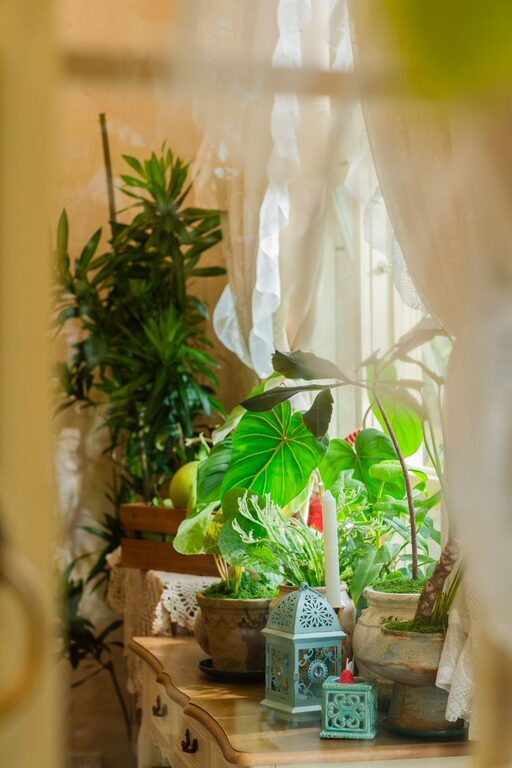
One plant can make a difference, but a group of plants can create a stronger visual effect. Arrange several plants together to form a small indoor garden.
For a balanced display, combine:
– Tall plants for height
– Medium plants to fill the center
– Small plants for the front edge
– Trailing plants to soften shelves or cabinets
Use plants with different leaf shapes and textures rather than choosing several that look exactly alike. For example, broad leaves can be paired with narrow leaves, while upright plants can be placed beside varieties that trail over the edge of a container.
Keep the arrangement from looking too crowded. Leave enough space between pots so each plant can be seen clearly. A small tray or bench can help keep a group together and protect surfaces from water.
Use Plants to Improve Empty Corners
Empty corners often make a room feel unfinished. A tall plant can bring those areas to life while adding height to the overall design.
Place a larger plant beside:
– A sofa
– A reading chair
– A bookcase
– A media cabinet
– An entryway table
Use a plant stand or a decorative basket to raise the container and give the display more presence. A plant stand also makes it easier to create different heights when working with several plants.
If the corner is narrow, select a plant with an upright shape. For wider areas, a fuller plant can create a softer and more relaxed look. Make sure the leaves do not block walkways, doors, or windows.
Add Greenery to Shelves and Small Surfaces
Plants do not need to occupy a lot of floor space. Shelves, counters, and side tables are excellent places for small plants.
Try placing a small plant:
– Beside a stack of books
– On an open kitchen shelf
– Near a bathroom mirror
– On a home office desk
– On a nightstand
Trailing plants work especially well on higher shelves because their leaves can fall naturally over the edge. Small upright plants are useful for desks and narrow ledges.
To keep the display organized, mix plants with other objects such as framed photos, bowls, candles, or decorative boxes. Leave some open space so the area feels styled rather than cluttered.
Update Containers for an Instant Change
Changing a plant’s container can refresh its appearance without replacing the plant itself. Choose pots that complement your room’s colors and materials.
Popular container options include:
– Matte ceramic pots
– Terracotta pots
– Metal planters
– Glass containers for water-grown plants
– Woven baskets with a waterproof liner
Use a consistent color palette if you want a calm, coordinated look. For more personality, mix different shapes and materials while keeping the sizes balanced.
Always make sure a container is suitable for the plant. Pots with drainage holes help excess water escape. If you use a decorative outer pot without a drainage hole, place the plant in a separate nursery pot inside it and remove the inner pot when watering.
Bring Plants into Unexpected Rooms
The living room is a natural place for plants, but other rooms can benefit from greenery too. A small plant can make a kitchen, bathroom, or hallway feel more inviting.
In the kitchen, place herbs or compact plants near a bright window. In the bathroom, choose plants that suit the available light and moisture level. A plant on a hallway console can create a welcoming first impression.
Bedrooms can benefit from simple plant displays on a dresser or windowsill. Choose low-maintenance varieties and avoid filling the room with too many items. A single well-placed plant can be enough to add a fresh touch.
Create a Simple Plant Care Routine
A refreshed home looks best when the plants are healthy. Create a simple care routine that fits naturally into your week.
Check your plants regularly for:
– Dry soil
– Yellowing or damaged leaves
– Dust on the leaves
– Signs that the plant has outgrown its pot
– Drooping or unusual growth
Water plants according to their individual needs rather than following one schedule for every variety. Before watering, check the soil with your finger. If the surface feels dry, the plant may need water, but some varieties prefer to dry out more between waterings.
Wipe broad leaves gently with a soft, damp cloth to remove dust. Rotate pots occasionally so plants grow evenly toward the light. Remove damaged leaves with clean scissors to keep the plant looking tidy.
Keep the Look Fresh Throughout the Year
A plant display can change with the seasons. In spring, add fresh pots or move plants closer to brighter windows. During warmer months, use greenery to create a light, airy feeling. In fall and winter, pair plants with warm textiles, wooden accents, or natural baskets.
You can also refresh your arrangement by moving plants from one room to another. A plant that feels hidden on a shelf may become a focal point on a side table. Rearranging your collection costs nothing and can make your home feel new again.
Most importantly, choose displays that are practical for your daily life. When plants are easy to see and care for, they are more likely to remain a beautiful part of your home.
Final Thoughts
Refreshing your home with plants does not require a large budget or a complete redesign. Start with the spaces that feel empty, choose plants that match your light and routine, and use containers and stands to add style. By combining different heights, textures, and placements, you can create a home that feels more welcoming, balanced, and connected to nature.
About the Author