Planning balanced meals does not have to mean following a strict menu or spending hours in the kitchen. With a few simple habits, you can create meals that are satisfying, varied, and easy to adjust when plans change.
The goal is not perfection. It is to make everyday choices easier by keeping useful ingredients on hand, using a simple meal formula, and giving yourself room for convenience foods and leftovers.
Start with a simple meal formula
A balanced meal usually includes a mix of:
– Protein-rich foods
– Vegetables or fruit
– Grains or other carbohydrate-rich foods
– A source of healthy fat
– Water or another drink you enjoy
This formula is flexible. For example, a meal could be grilled chicken with rice and vegetables, a bean and cheese burrito with salsa, or a bowl of yogurt with fruit, oats, and nuts.
You do not need to measure every ingredient. Instead, think about variety and how the foods work together. If one meal is lighter in vegetables, you can include more at another meal. If you eat a quick sandwich at lunch, a simple vegetable side or piece of fruit can round it out.
Use the “mix and match” method
Choose one or two options from each group:
Protein: Eggs, beans, lentils, chicken, fish, tofu, yogurt, cheese, or nuts
Grains and carbohydrates: Rice, pasta, oats, potatoes, bread, tortillas, quinoa, or corn
Vegetables and fruit: Fresh, frozen, canned, or pre-cut options
Flavor and healthy fats: Avocado, olive oil, seeds, hummus, pesto, nut butter, herbs, or sauces
Once you have these basics, you can combine them in different ways throughout the week.
Plan a few meals at a time
You do not need to plan every meal for an entire week. A shorter planning period can feel more manageable and leave room for changing schedules.
Try planning:
– Three dinners
– Two easy lunches
– A few breakfast options
– Two or three snacks
You can use leftovers for the other meals or keep one day open for takeout, a social event, or a meal from the freezer.
When planning dinners, consider your schedule first. Choose quick meals for busy evenings and save longer recipes for days when you have more time. This small step can prevent the common problem of choosing a complicated recipe when everyone is already tired or hungry.
Make a flexible weekly outline
A simple outline might look like this:
– Monday: Sheet-pan chicken, potatoes, and vegetables
– Tuesday: Leftover chicken in wraps with fruit
– Wednesday: Bean and vegetable pasta
– Thursday: Omelets with toast and a side salad
– Friday: Frozen meal with added vegetables
– Weekend: One larger recipe and one flexible meal
The outline is a guide, not a rule. If you change the order or replace a meal, the plan is still working.
Keep a list of reliable meals
A list of meals you already enjoy can make planning much faster. Include recipes with different preparation times and ingredients.
For example:
– 15-minute meals
– One-pot meals
– Sheet-pan meals
– Slow-cooker meals
– Meals that use leftovers
– No-cook or low-cook options
– Freezer-friendly recipes
Aim for about 10 to 15 dependable meals. Over time, you can add new ideas when you feel interested rather than searching for something different every day.
It can also help to organize meals by main ingredient. If you have eggs, rice, canned beans, or a bag of frozen vegetables, you can quickly choose a meal from your list that uses what you already have.
Shop with a practical grocery list
A grocery list should support your plan without becoming overly complicated. Organize it by store section so shopping is faster:
– Produce
– Protein foods
– Grains and pantry items
– Dairy or alternatives
– Frozen foods
– Snacks and extras
Before shopping, check your refrigerator, freezer, and pantry. This helps you use food before it goes to waste and prevents buying duplicates.
Choose ingredients that can be used in more than one meal. For example, a large bag of spinach can be added to eggs, pasta, sandwiches, and smoothies. Cooked rice can become a side dish, a grain bowl, or a filling for wraps.
Use convenience foods without guilt
Convenience foods can be part of a balanced routine. Frozen vegetables, canned beans, pre-cooked grains, bagged salad, rotisserie chicken, and jarred sauces can save time and energy.
A useful approach is to combine convenience items with one or two simple additions. Try:
– Frozen pizza with a side salad
– Canned soup with whole-grain toast and fruit
– Pre-cooked rice with beans, salsa, and avocado
– A prepared salad with eggs, chicken, or chickpeas
– Frozen vegetables added to pasta or a stir-fry
The purpose of meal planning is to make life easier, not to create more work. Use the shortcuts that fit your budget, preferences, and schedule.
Prepare ingredients, not just full meals
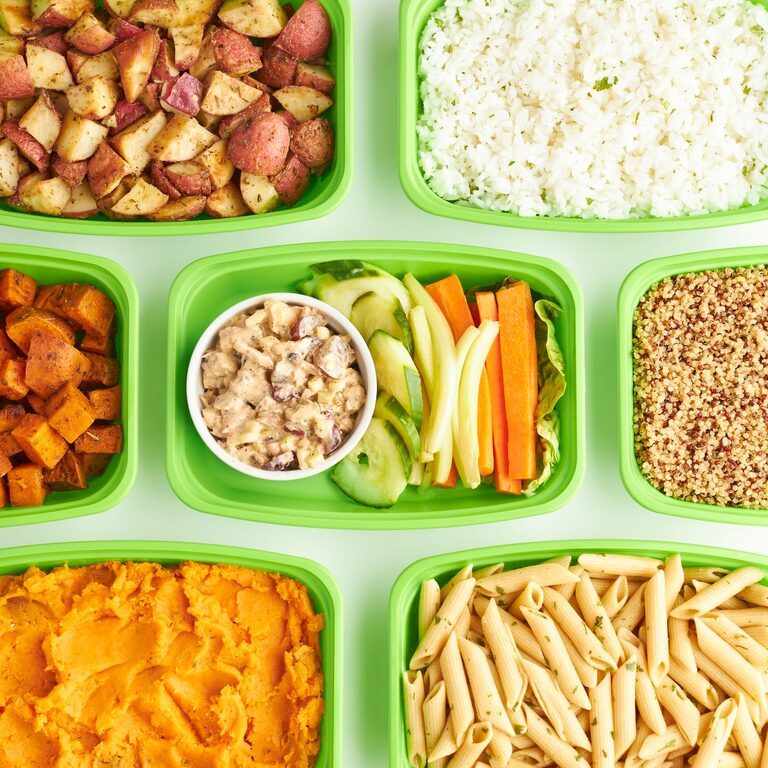
Cooking every meal in advance may not suit everyone. Instead, prepare a few flexible ingredients that can be combined in different ways.
You might:
– Wash and cut vegetables
– Cook a pot of rice or grains
– Prepare hard-boiled eggs
– Roast a tray of vegetables
– Cook beans, chicken, or tofu
– Portion snacks into containers
– Make a simple sauce or dressing
Even 30 minutes of preparation can make the next few meals easier. Store ingredients in clear containers so you can quickly see what is available.
Plan for busy days
Stress often comes from making decisions when time is limited. Create a backup plan for the days when cooking is not realistic.
Keep a few easy options available, such as:
– Frozen vegetables
– Canned tuna or beans
– Eggs
– Whole-grain bread or tortillas
– Soup
– Pasta
– Yogurt
– Fresh or dried fruit
– Nuts or seeds
You can also make a short list of nearby meals or takeout choices that work well for your needs. Having a backup does not mean your plan failed. It means you planned for real life.
Make room for preferences and flexibility
A meal plan is easier to follow when it includes foods you actually enjoy. Add favorite flavors, familiar recipes, and occasional treats. You do not need to label foods as “good” or “bad” to make thoughtful choices.
If several people share meals, serve components separately when possible. For example, offer rice, beans, vegetables, cheese, and sauces so everyone can build a meal they like. This can reduce pressure and make one dinner work for different preferences.
Remember that balance can happen across a day or week, not only in one plate. Some days will include more cooking, while others will rely on simple meals.
Review and adjust your plan
At the end of the week, take a few minutes to notice what worked:
– Which meals were easy to prepare?
– Which ingredients were used most often?
– What food was left over?
– Were there nights when the plan felt too ambitious?
– What would make next week simpler?
Use these answers to adjust your next plan. Meal planning becomes less stressful when it evolves with your routine.
The best plan is one you can use consistently. Start with a few balanced meal ideas, keep flexible ingredients available, and allow convenience when you need it. Small, repeatable habits can make everyday meals feel more organized without taking over your schedule.
About the Author