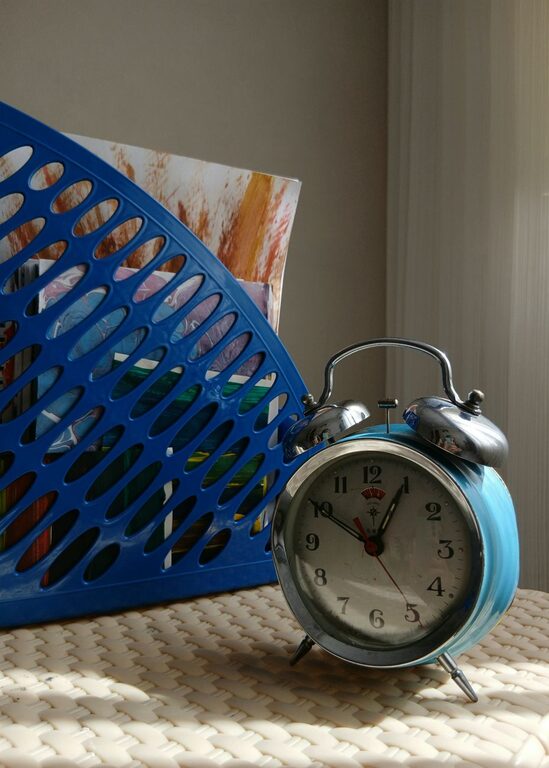

A calm evening does not require a perfect schedule or a complete lifestyle change. Often, a few small adjustments can make the end of the day feel less rushed and more comfortable. The goal is not to fill every minute with productive tasks. It is to create a gentle transition from daytime responsibilities to rest.
Try one or two ideas at first instead of changing everything at once. Small habits are easier to repeat, and a routine that fits your real life is more useful than an ideal routine that feels difficult to maintain.
Start with a simple evening signal
Many people move from work, school, errands, or household tasks straight into the next activity without a clear pause. Creating a small signal can help mark the beginning of your evening.
This signal could be:
– Changing into comfortable clothes
– Turning on softer lighting
– Making a cup of caffeine-free tea
– Playing quiet music
– Taking a short walk around the block
– Closing a laptop and putting it away
The signal does not need to take long. Its purpose is to help you recognize that the busy part of the day is winding down. Repeating the same action at around the same time can make the transition feel more natural.
Reduce decisions before the evening begins
A tiring day can make simple choices feel harder than usual. Preparing a few things earlier can make the evening smoother.
Consider setting aside a few minutes in the morning or during a midday break to decide:
– What you will have for dinner
– What clothes you will wear the next day
– Which tasks truly need attention tonight
– When you would like to begin winding down
– What time you want to put away screens
You do not need to plan every detail. A basic outline can prevent the evening from becoming a series of last-minute decisions.
For example, you might choose a simple dinner, set out tomorrow’s clothes, and write down one important task for the evening. Everything else can wait unless it is urgent.
Create a short reset for your space
A cluttered room can make it harder to feel finished with the day. However, cleaning the entire home at night may add more pressure. Instead, try a short reset that lasts 5 to 10 minutes.
Focus on the areas you use most, such as:
– The kitchen counter
– The living room
– Your desk
– The entryway
– Your bedside table
Put away obvious items, wash a few dishes, or prepare the space for tomorrow morning. When the timer ends, stop. The purpose is not to achieve a perfect home. It is to create a more welcoming environment for the rest of the evening.
You can also give each room a simple “closing task.” For example, the kitchen might be closed when the counter is clear, while the living room might be closed when blankets are folded and cups are collected.
Choose a realistic screen boundary
Screens can be useful for entertainment and connection, but they can also keep the evening feeling busy. Instead of trying to avoid all screens, create a clear boundary that feels reasonable.
You might:
– Set a time to stop checking work messages
– Keep your phone away from the dinner table
– Watch one planned show instead of browsing endlessly
– Charge your phone outside the bedroom
– Turn off nonessential notifications
– Use a simple alarm to remind you when it is time to unplug
A screen boundary works best when it is specific. “Use my phone less” is difficult to follow, while “Put my phone on the charger at 9:30” gives you a clear action.
If a complete break from screens does not fit your schedule, begin with a short period of quiet time before bed. Even 15 or 20 minutes can provide a useful pause.
Make dinner easier, not more complicated
Evening meals can become a source of stress when they involve too many steps. A calmer routine may include a small collection of simple meals that you can prepare with little thought.
Keep a list of easy options, such as:
– Soup and a sandwich
– Rice with vegetables and eggs
– A simple pasta dish
– A prepared salad with a favorite topping
– Leftovers served in a new way
– A snack-style meal with fruit, cheese, vegetables, and bread
Planning a few reliable meals can reduce the pressure to be creative every night. You can also prepare ingredients in advance or keep a few convenient staples available.
The aim is to feed yourself without turning dinner into another demanding project.
Add one quiet activity
A quiet activity can help you shift away from tasks and toward rest. Choose something you genuinely enjoy rather than something that feels like another obligation.
Options include:
– Reading a few pages of a book
– Stretching gently
– Drawing or coloring
– Doing a simple puzzle
– Writing in a journal
– Listening to an album or podcast
– Working on a small craft
– Sitting with a warm drink
Keep the activity short if your evening is busy. Ten minutes can be enough to create a sense of personal time. If you enjoy the activity, you can continue, but there is no need to make it productive.
Write down tomorrow’s concerns
Thoughts about tomorrow often appear when the day becomes quiet. Writing them down can give your mind a place to hold them until morning.
Keep a notebook nearby and make two short lists:
Tomorrow’s tasks
Write only the tasks you need to remember. Avoid creating a long list that makes the next day feel overwhelming.
Open thoughts
Note worries, ideas, questions, or reminders that are taking up mental space. You do not need to solve them at night. The act of recording them can make it easier to return your attention to the present.
End with one small priority for tomorrow. Knowing where to begin can make the morning feel more manageable.
Use lighting to change the mood
Lighting can influence how a room feels. Bright overhead lights may make the evening feel like a continuation of the workday. As the night progresses, try using lamps or lower lighting where practical.
You could:
– Turn off unnecessary overhead lights
– Use a warm lamp in the living room
– Light a candle safely while you are nearby
– Keep the bedroom dim and uncluttered
– Open curtains earlier in the day to enjoy natural light
These changes are simple, but they can make your home feel more restful without requiring extra time.
Keep the routine flexible
A routine should support your life, not become another standard you feel pressured to meet. Some evenings will be busy, social, or unexpected. On those nights, use a shorter version of your routine.
A five-minute routine might include:
- Put away a few items.
- Set out what you need for the morning.
- Write down tomorrow’s first task.
- Turn off nonessential notifications.
- Spend a few quiet minutes without multitasking.
On calmer nights, you can take more time for reading, music, or another relaxing activity.
Build your own calming sequence
The best evening routine is one that feels easy to repeat. Start by choosing three small actions that match your schedule and preferences. For example:
- Change into comfortable clothes.
- Reset the kitchen for five minutes.
- Read for 15 minutes before bed.
Try the sequence for a week, then notice what helps and what feels unnecessary. You can adjust the timing, replace activities, or remove steps that create pressure.
A calmer evening is usually built through ordinary choices: fewer decisions, a little preparation, and a clear transition away from the day. Small changes can make your home feel more settled and help you end the day with greater ease.
About the Author